

Short answer? Yes. For most San Diego homeowners, solar is still worth it under NEM 3.0. The math changed in 2023, but it did not fall apart. What changed is how you get your payback: instead of leaning on the grid to bank your extra power, the best systems today store it in a battery and use it at night. Pair panels with storage, add in some of the highest utility rates in the country, and the numbers still land in your favor.
That is the honest version. Let us walk through what actually changed, who benefits most, and how to think about it if you own a home in Rancho Santa Fe, Carlsbad, Jamul, or anywhere across San Diego County.
NEM 3.0 explained without the jargon
NEM stands for net energy metering, the rulebook that decides what your utility pays you for the solar power you send back to the grid. California moved to NEM 3.0, officially called net billing, in April 2023. Under the old NEM 2.0 rules, every kilowatt-hour you exported earned you nearly the full retail rate, so your meter basically ran backward and your extra daytime power covered your nighttime usage almost one for one.
Net billing cut those export credits. Depending on the season and time of day, the credit for power you send to SDG&E is now a fraction of what it used to be, often somewhere in the range of a quarter to a third of retail value. So the electricity your panels make at 1 p.m. and push onto the grid is worth a lot less than the electricity you pull back at 8 p.m. That gap is the whole story of NEM 3.0.
Why a battery went from nice-to-have to the main event
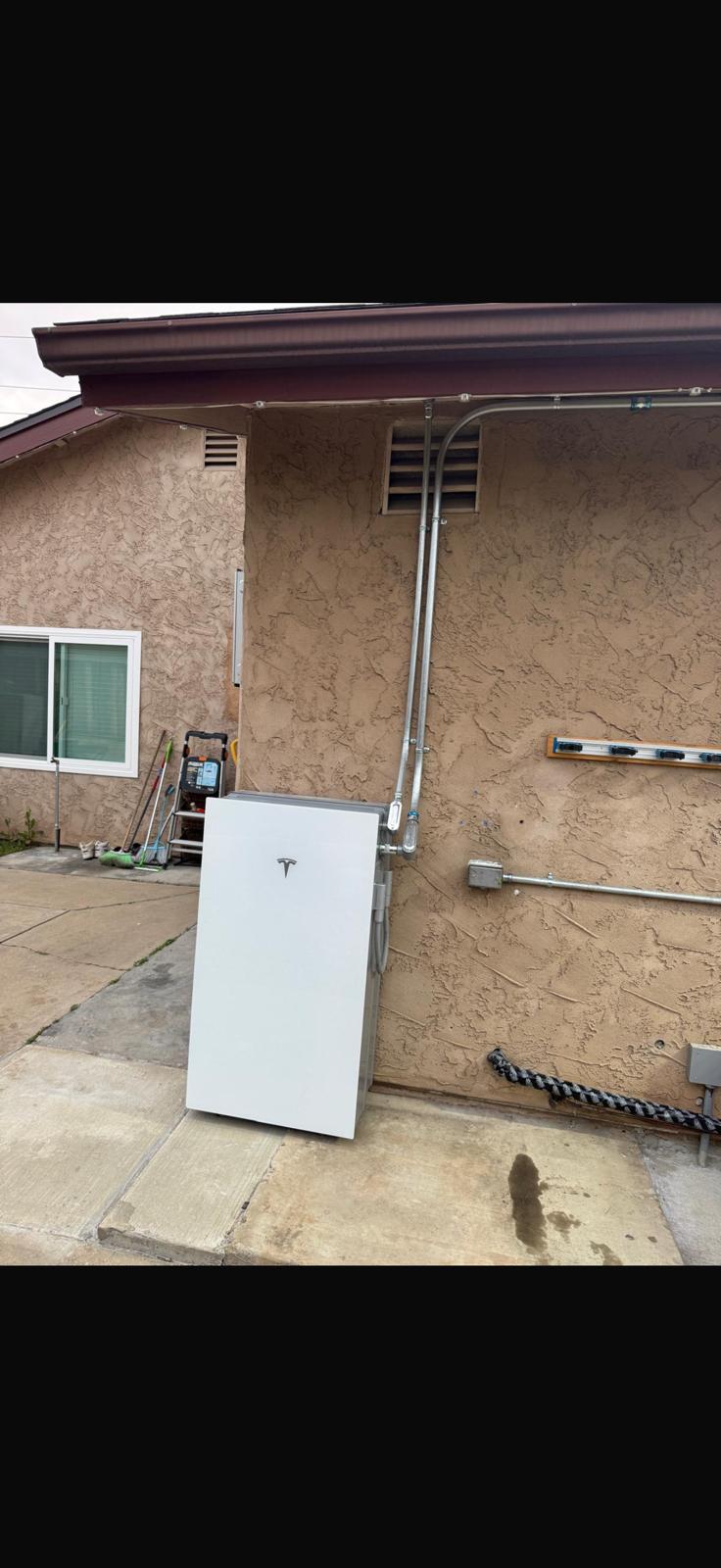
Here is the shift in plain terms. Under NEM 2.0, exporting was a great deal, so a panels-only system made perfect sense. Under California net billing, exporting is a weak deal, so you want to keep your own power instead of selling it cheap. A home battery lets you do exactly that. Your panels charge the battery during the day, and you draw from the battery in the evening when rates peak and the sun is down. You are self-consuming your solar instead of handing it to the utility for pennies.
That is why solar battery setups under NEM 3.0 have become the standard recommendation for new installs. The battery is not an upsell for its own sake. It is the piece that recovers most of the value NEM 3.0 took away. It also gives you backup power when the grid goes down, which matters during fire-season shutoffs and storm outages in the backcountry around Jamul and the coastal bluffs near Del Mar.
Who benefits most under the new rules
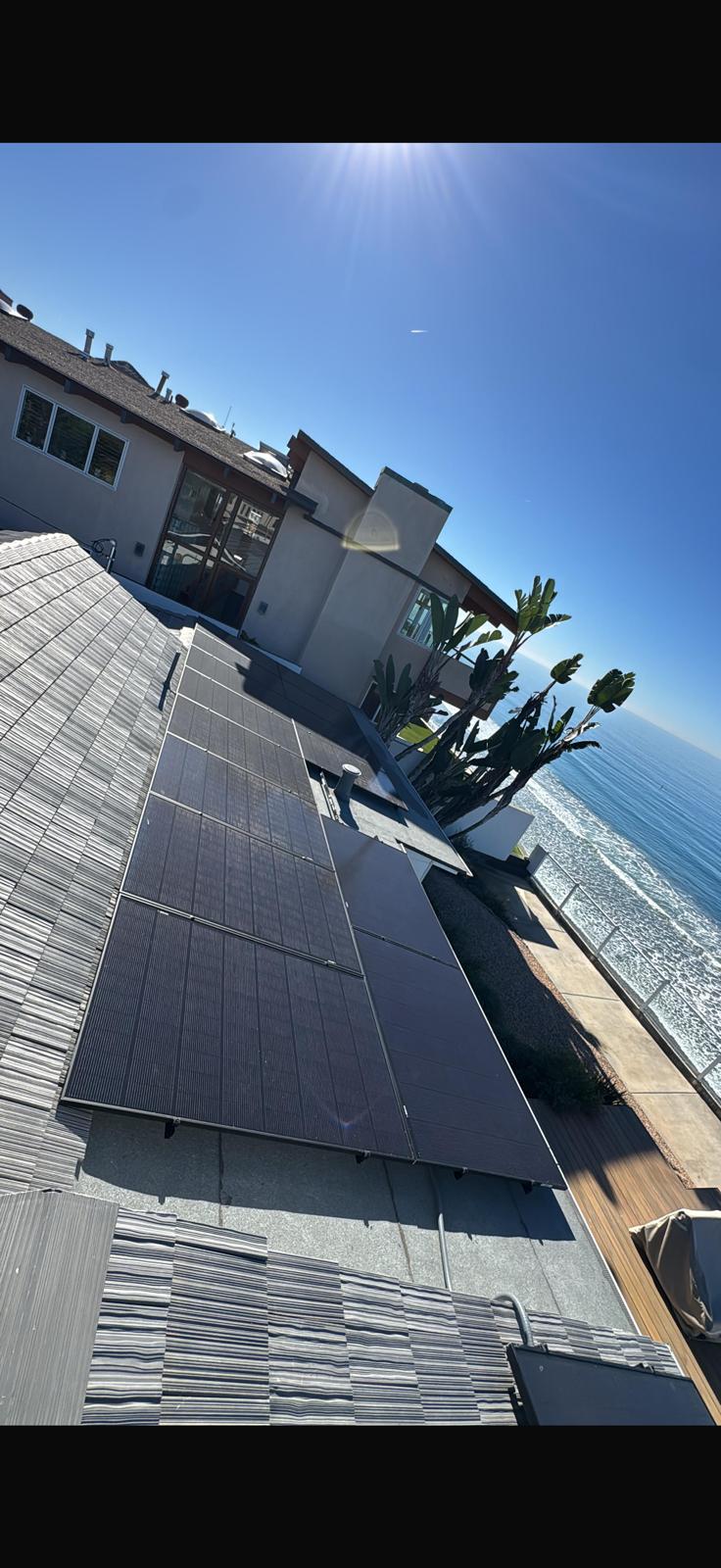
Solar with storage tends to pencil out best for homeowners who use a good amount of power in the evening, run air conditioning in summer, drive an EV, or have a pool pump. If your biggest usage lands after sunset, a battery is doing real work every single night.
Larger homes in Rancho Santa Fe and Carlsbad with higher monthly bills usually see the strongest case, simply because they have more expensive utility power to offset. The bigger the bill NEM 3.0 is asking you to keep paying, the more a well-sized system and battery can push back against it.
- High evening usage — AC, cooking, and lights after dark are prime battery hours.
- EV owners — charging a car at home is a big load a battery and solar can cover.
- Larger or higher-bill homes — more expensive grid power to offset, faster returns.
- Outage-prone areas — backcountry and fire-zone homes that want reliable backup.
The SDG&E rate factor most people underestimate
San Diego has some of the highest electricity rates in the entire country, and SDG&E net metering customers feel it. When your utility charges among the steepest rates in the U.S., every kilowatt-hour your own system covers is worth more. High rates cut both ways: they make grid power painful, and they make San Diego solar savings add up faster than they would in a cheaper market. That is a big reason solar still makes sense here even after the export credits shrank.
The 30 percent federal tax credit still applies
This part did not change. The federal Residential Clean Energy Credit still lets eligible homeowners claim 30 percent of the cost of a qualifying solar and battery system as a credit against their federal taxes. That credit applies to the battery too, not just the panels, which softens the cost of adding storage. Tax situations vary, so confirm the details with your tax professional, but the 30 percent credit remains one of the strongest incentives on the table.
What payback looks like now
Payback timelines depend heavily on your roof, your usage, your rate plan, and whether you add storage, so treat any single number with caution. In general, well-designed San Diego systems still reach payback in a reasonable window, often within several years, after which the power is essentially free for the life of the equipment. Quality solar systems are built to run for decades, and our installs are backed by a 25-year warranty. The only way to know your real payback is a custom estimate on your actual bill and roof, which is why we never quote a blanket figure.

The Sky Source advantage: solar and electrician under one roof
Here is where NEM 3.0 quietly favors a company like ours. A battery-first system is not just panels on a roof anymore. It involves your main electrical panel, your interconnection, sometimes a panel upgrade to handle the new load, and careful wiring so the battery, the solar, and your home all talk to each other correctly. Plenty of solar companies install panels but then sub out the electrical work. Sky Source Electric is a licensed C-10 electrical contractor (CSLB #1075064) and a solar company, so the same team handles the panels, the battery, and the panel work.
That means fewer handoffs, fewer scheduling gaps, and one crew accountable for the whole system. If your electrical panel needs an upgrade to support a battery and an EV charger down the road, we handle that in-house instead of sending you to find another contractor. Doing both under one roof, as a family-run local team, is exactly the kind of experience a battery-based NEM 3.0 install rewards.
How to decide if it is right for your home
Start with your last twelve months of SDG&E bills. Look at how much you spend, when you use power, and whether your usage is climbing with an EV or a growing family. Then get a real estimate that models solar plus storage against your actual rate plan. We will show you the honest numbers, including financing options that can keep the project low or no out-of-pocket, so you can compare a monthly solar payment against the utility bill you are already paying.
If you want to go deeper on system types, our residential solar page walks through panel and battery options, and you can see the full lineup on our solar services page. When you are ready to see your specific numbers, a free estimate is the fastest way to find out where you stand.
Frequently asked questions about solar under NEM 3.0
Is solar worth it in California under NEM 3.0?
For most San Diego homeowners, yes. NEM 3.0 lowered the credit you get for exporting power to the grid, but high SDG&E rates and the 30 percent federal tax credit keep the returns strong — especially when you add a battery so you use your own solar at night instead of selling it cheap.
Do I really need a battery with NEM 3.0?
You do not have to add one, but it is where most of the value is now. Because export credits are low under net billing, storing your daytime solar and using it in the evening is far more valuable than sending it to the grid. Panels-only systems still help; panels plus a battery help a lot more.
What is the difference between NEM 2.0 and net billing?
NEM 2.0 paid nearly full retail rate for exported power, so exporting was as good as saving. NEM 3.0, or net billing, pays much less for exports — often a quarter to a third of retail. The fix is to self-consume your solar with a battery rather than rely on those export credits.
Does the 30 percent tax credit cover the battery?
The federal Residential Clean Energy Credit generally covers 30 percent of a qualifying solar and battery system, batteries included, for eligible homeowners. Everyone’s tax situation is different, so confirm the specifics with your tax professional before you count on it.
How long is payback on a San Diego solar system now?
It varies with your roof, usage, rate plan, and whether you add storage, so we do not quote a blanket number. Many well-designed local systems still reach payback within several years thanks to San Diego’s high rates. A free custom estimate on your actual bill is the only way to get a real figure.
Can Sky Source handle both the solar and the electrical panel work?
Yes. We are a licensed C-10 electrical contractor and a solar company, so one team installs the panels, the battery, and any panel upgrade or EV charger wiring the job needs — no juggling separate contractors.
See your real NEM 3.0 numbers — free, no pressure
Every home is different. We will model solar plus battery against your actual SDG&E bill and show you the honest payback, warranty, and financing options in one visit.